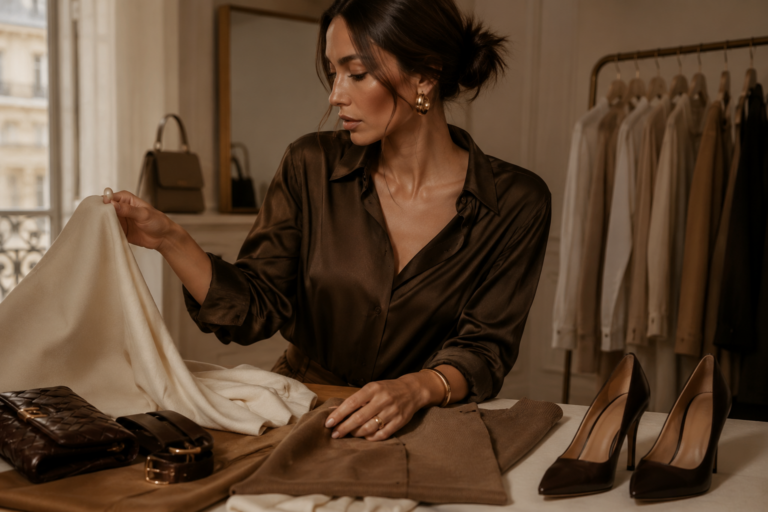
Quality without the brand is one of the most useful skills a shopper can develop. A label can suggest status, heritage, or trend value, but it does not always guarantee that a piece is well made. Some expensive items rely heavily on branding, while some quieter pieces offer excellent materials and craftsmanship. The How to Tell Quality Without the Brand guide helps shoppers look beyond logos and judge clothing, bags, shoes, and accessories with more confidence.
Why Brand Names Are Not Enough
Brand names can be helpful, but they should not replace inspection. A shopper may assume that a higher price means better quality, yet construction, fabric, hardware, stitching, and fit still need to be checked. Some pieces are priced for marketing, rarity, or trend appeal more than durability. Learning to evaluate quality directly helps shoppers make stronger decisions and avoid paying only for recognition.
Start With Fabric and Material Feel
Fabric and material feel often reveal quality quickly. Wool should feel resilient, cotton should feel substantial for its purpose, leather should show depth and flexibility, and silk should feel smooth without looking fragile or cheap. The How to Tell Quality Without the Brand resource helps shoppers pay attention to weight, texture, recovery, and finish. Materials should suit the item’s function and feel good in the hand, not just look attractive on a hanger.
Inspect Stitching and Construction
Stitching can show whether a piece was made carefully. Look for even seams, secure buttons, clean hems, strong lining, smooth zippers, and balanced structure. On bags, check edge finishing, handles, hardware attachment, and interior lining. On coats and blazers, check shoulder shape, lapels, lining, and how the garment hangs. Quality often appears in the details most people skip. These small signs affect how the item wears over time.
Consider Fit and Movement
A quality item should support the body in motion. Clothing that twists, pulls, gaps, scratches, or loses shape quickly may not be worth the price. Try walking, sitting, reaching, and layering before buying. Shoes should feel stable, not only beautiful. Bags should sit comfortably on the shoulder or in the hand. Quality includes function. An item that looks premium but behaves poorly may not deserve a place in the wardrobe.
Look for Quiet Consistency
True quality often feels quietly consistent. The inside looks as considered as the outside. Materials match the purpose. The seams are clean. The hardware feels solid. The proportions make sense. The How to Tell Quality Without the Brand guide helps shoppers notice these clues before being influenced by a logo or sales story. A strong item should still look convincing if the brand name were removed.
Shop With Better Eyes
Recognizing quality makes shopping more independent, thoughtful, and satisfying. It helps buyers choose better pieces at every price level. For investment outerwear decisions, read the Investment Coat Guide article. For handbag evaluation, continue with the Investment Bag Guide article. The How to Tell Quality Without the Brand resource helps shoppers trust their judgment beyond the label.